
The Health and Wellbeing Centre for Research Innovation showcases a unique research partnership, combining world class research expertise in physical activity, sedentary behaviour, nutrition and health within the School of Human Movement and Nutrition Sciences at The University of Queensland, with the reach and capacity of Queensland’s key health promotion agency, Health and Wellbeing Queensland.


Bringing together the values of both organisations, our purpose is to work in partnership to build capacity, drive innovation, foster inclusion, and generate and share knowledge to optimise health, wellbeing, and performance for life.
We work in partnership with research, government, and industry sectors to integrate, deliver and evaluate evidence-based programs that provide scalable, equitable access to improve the health and wellbeing of all Queenslanders (and beyond).
Our centre aims to advance knowledge and evidence-based practice; translate research and evaluation findings into scalable concepts and products; and to build and sustain capacity by providing ‘real world’ training opportunities for students.
Bridging the gap between research and government, our three research priority areas span across meaningful partnership development, innovative measurement, and interdisciplinary collaboration.
- Working together to build capacity and generate solutions
- Developing and applying innovative measures
- Harnessing interdisciplinary knowledge and ways of doing
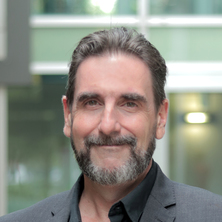
Centre Co-Director

Centre Co-Director
Research themes
Guided by our 3 research priority areas, our work is structured around 5 interconnected themes:
Nutrition and dietetics
Theme lead: Professor Sarah McNaughton
Led by Professor Sarah McNaughton, this theme explores understanding how foods, dietary patterns and food systems influence health, wellbeing, and disease prevention across individuals, communities, and populations throughout the life course.
Movement behaviours in adults
Theme lead: Professor Genevieve Healy
This theme explores how sitting, standing, moving, and other daily patterns across the 24 hour day affect adults’ health, wellbeing and performance. It brings together workplace and community research, innovative digital programs, and new measurement tools to help people sit less and move more in real world settings.
Physical activity and disability
Theme lead: Professor Sean Tweedy
This theme focuses on development, evaluation and dissemination of client-centred, evidence-based programs that empower people with disabilities to enhance their health, fitness, function and quality of life through engagement in sport, exercise and other physical activities.
Movement behaviours in children
Theme lead: Professor Stewart Trost
This theme explores how physical activity, sedentary behaviour, and sleep interact to influence children’s physical, cognitive, and social-emotional development, health, and wellbeing.
Physical activity and clinical prevention
Theme lead: Associate Professor Sjaan Gomersall
This theme is centred on preventing onset and progression of disease through physical activity promotion in healthcare settings, including evaluation and monitoring, workforce training and interventions, with a focus on implementation in practice.
Our purpose
To work in partnership to build capacity, drive innovation, foster inclusion, and generate and share knowledge to optimise health, wellbeing, and performance for life.
Our expertise
- Physical activity, physical literacy, sedentary behaviour, screen time, nutrition, sleep, mental health and wellbeing, social connectedness, digital health, health promotion, sports performance, and creativity in motion
- Preventative health across the lifespan including babies, children, youth, adults and older adults and diverse population groups
- Settings including early childhood education, schools, universities, workplaces, community groups, Aged Care, clinical, rehabilitation, sport and recreation and The Arts
- Program evaluation, implementation science, epidemiology, measurement science, intervention development and delivery, qualitative and quantitative research methods and complex data analysis