
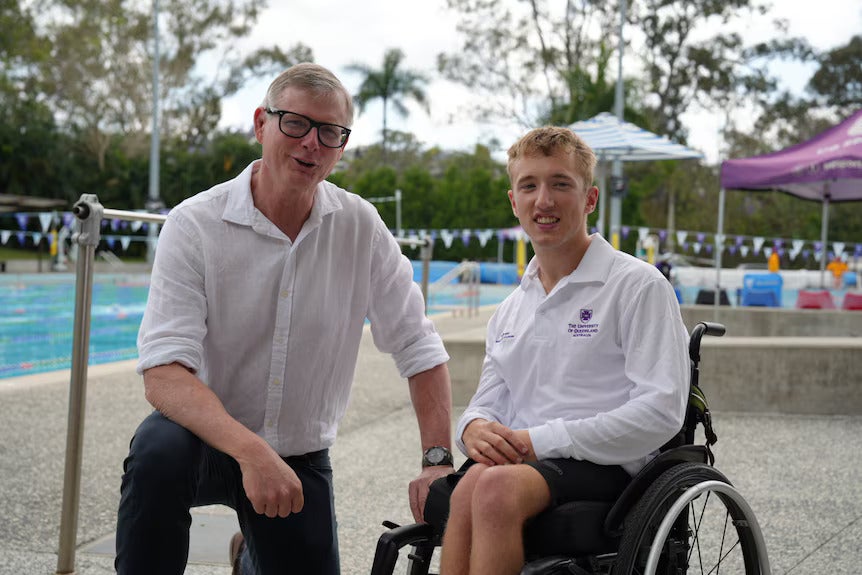
NIISQ Chair in Physical Activity and Disability
The Adapted Sport and Physical Activity Research Group brings together research, education and community engagement to improve opportunities for physical activity, sport participation and health outcomes for people with disability and those living with complex health conditions.
The Adapted Sport and Physical Activity Research Group offers the following programs:
- Adapted Sports Training and Research Team (A-START, formerly Para START)
- Motor Active
- Adapted Strength and Fitness Program
- Adapted Physical Activity Program
Based within the School of Human Movement and Nutrition Sciences at The University of Queensland, the group connects world-class expertise in physical activity, rehabilitation, disability sport, and inclusive program design with practical, community-facing initiatives that support participation across the lifespan.
Through a range of programs delivered in partnership with community organisations, health professionals, families and sport providers, the group works to create accessible pathways into physial activity and sport while also generating evidence to inform better practice and policy.
Our work combines research, training and service delivery to support inclusive participation and improve physical, social and health outcomes.
Programs delivered through the group provide meaningul opportunites for individuals to build skills, confidence and physical capacity while also contributing to new knowledge in disability sport, physical activity promotion and rehabiliation.
Learn about the Adapted Sport and Physical Activity Research Group
Adapted START (A-START, formerly Para START)
The Adapted Sport and Physical Activity Training Program (A-START) is the first initiative in Australia dedicated to training and assessing athletes with high-support-needs disabilities.
This integrated approach creates a unique environment to explore practical research questions, including the therapeutic benefits of sport for individuals with severe impairments and high support needs.
Motor Active Program
The Motor Active Program is best suited for children who have difficulty moving and playing in a controlled and coordinated manner, including:
- Children with motor control and developmental difficulties
- Children with physical and learning disabilities
- Children with developmental and coordination disorders
- Children with confidence and motivational problems
Adapted Strength and Fitness Program
The Adapted Strength and Fitness Program (ASFP) is an individually tailored functional fitness program designed for individuals with diverse abilities and impairments.
The goal of ASFP is to promote physical development, confidence and wellbeing in a supportive and inclusive environment.
Adapted Physical Activity Program
The Adapted Physical Activity Program (APAP) is an evidence-based physical activity promotion service for people with chronic and complex physical and mental health conditions.
APAP aims to empower clients to improve their functional outcomes, mental health and/or social re-entry by giving them the skills, knowledge and confidence needed to commence and maintain a physically active lifestyle.
|
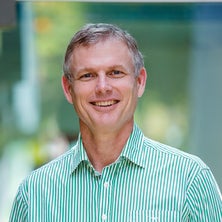
| Professor Sean Tweedy AMNIISQ Chair in Physical Activity and Disability School of Human Movement and Nutrition Sciences |
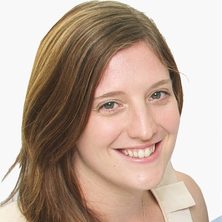
Dr Annie ChappellPostdoctoral Research Fellow in Rehabilitation, Disability Sport & Physical Activity School of Human Movement and Nutrition Sciences | |
| Associate Professor Emma BeckmanDirector of Teaching and Learning School of Human Movement and Nutrition Sciences Para Sport High Performance Manager Queensland Academy of Sport |
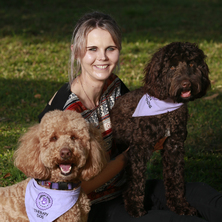
| Dr Jessica HillSenior Lecturer School of Human Movement and Nutrition Sciences |
Mrs Bridget DemetriouClinical lead - A-START School of Human Movement and Nutrition Sciences | |
Mr Damien ColeClinical lead - A-START School of Human Movement and Nutrition Sciences | |
Mrs Chanel LehmkuhlClinical lead - Motor Active Program School of Human Movement and Nutrition Sciences | |
Mrs Melinda FenningClinical lead - Adapted Physical Activity Program and Adapted Strength and Fitness Program School of Human Movement and Nutrition Sciences |


Current research projects
Project | Project team |
|---|---|
National Disability Sport Action PlanThe vision of Australia's Play Well Sport Participation Strategy is that Everyone has a place in Sport and its mission is to create safe, welcoming, inclusive and fun experiences. Alongside the Australian Sports Commission, UQ is collaborating to develop a National Disability Sport Action Plan to enact this vision and mission. | Professor Sean Tweedy AM Dr Annie Chappell |
Implementation of a Regional Adapted Sport and Physical Activity Hub for people with disability in Toowoomba, QueenslandIt is well established that, compared with the general population, Australians with disability experience significantly higher rates of preventable disease, lower wellbeing and greater social exclusion. It is also well established that people with disabilities are less active than their non-disabled peers, despite physical activity (PA) improving overall health and well-being. For people with disabilities, having social support and positive social experiences are facilitators of participation in PA, while inadequate community facilities, equipment and transport are commonly reported barriers. People with disabilities living in regional areas experience further disadvantage compared to their urban-dwelling counterparts because they experience more barriers to PA. In the Darling Downs, community members and service providers have consistently identified gaps in coordinated, locally delivered physical activity programs, limited workforce capacity, and weak connections between health, disability, education and community sectors. The community identified that a coordinated physical activity hub would help to address all of the gaps identified. This project aims to establish a new, evidence-based physical activity hub in Toowoomba that brings these sectors together to better support people with disabilities. The hub will offer evidence-based programs which have been running successfully from the University of Queensland (UQ) in St Lucia for the past 10 years. These programs are overseen by the Adapted Sport and Physical Activity Research Group (ASPARG). | Professor Sean Tweedy AM Dr Annie Chappell |
Co-Designing Tools to Support Epilepsy Inclusion in Sports and Exercise: Insights from Athletes, Trainers and StakeholdersThis project aims to co-design practical, evidence-based resources to support safe and inclusive participation in sport and exercise for people living with epilepsy, including those with co-occurring disability. By bringing together athletes, trainers, health professionals, and community stakeholders, the project seeks to address current gaps in practical guidance and develop accessible tools that enhance confidence, reduce stigma, and support meaningful participation across sporting environments. | Brittany Williams |
Time cost associated with sports participation for athletes with disabilitiesThis research project investigates the comprehensive time and energy demands of sport participation for para-athletes, an area currently with limited literature. Despite the well-documented health and social benefits of sport, people with disability are significantly less likely to meet physical activity guidelines, facing complex barriers that extend beyond the activity itself, including the time required for preparation, recovery, and daily life management around training. Using a single-case experimental design, up to 40 para-athletes enrolled in the Queensland Academy of Sport's Para Training Program will be recruited across a range of impairment types. Participants will complete the Multimedia Activity Recall for Children and Adults (MARCA) a validated, self-report interview tool across both baseline and intervention phases of a 6-month to 2-year training period. This will capture detailed data on time use, fatigue levels, support needs, and sport-related activity patterns. The findings will offer new insight into the time demands of para-sport participation, informing targeted interventions to improve efficiency in pre- and post-sport activities, reduce fatigue, and ultimately support sustainable athletic engagement and quality of life for people with disability. | Nathan Hill |
Para Swimming: What it takes to win for moderate to high support needs athletesThis research focuses on what makes a successful para swimmer - particularly those with moderate and high supports needs - including understanding factors that make a para swimmer successful, and traits & qualities indicative of successful performance. | Casey Atkins |
Development and Evaluation of Procedures to Identify and Manage Medical Risk for People with Disabilities Commencing SportParticipation in sport among people with disabilities remains significantly lower than in the general population. Multiple barriers contribute to this disparity. One barrier is occurrence of adverse events during sport participation due to increased medical risk associated with their disabilities. This PhD project aims to develop and evaluate evidence-based procedures to support the identification and management of medical risk in people with disabilities commencing sport participation. | Dr Samitha Gowinnage |
Pressure injury prevention and management in disability sportPressure injuries are a complex health concern influenced by multiple risk factors, with mechanisms that remain poorly understood, particularly in the context of disability sport. Despite the growing participation of people with mobility impairments in sport, this area is underexplored in the literature, with limited evidence and few sport-specific guidelines to support clinicians in managing this risk effectively. This project aims to address that gap, with the goal of reducing pressure injury incidence and supporting the safe entry and long-term participation of athletes with mobility impairments in sport. | Callum Parker |
Building the Brisbane 2032 Legacy: A Longitudinal Study of High Performance Para SportThis project critically explores how coaches learn within the unique sociocultural conditions of high-performance para sport, and will examine how a targeted coach development program supports and shapes this process. By examining the interaction between structured coach education and everyday coaching practice, the study aims to strengthen coaching capacity, contribute to more inclusive and effective athlete development pathways, and ultimately support increased participation, progression, and sustained success within Australia’s high-performance Para sport system. | Olivia Clare |
Impairment Analysis and Athlete Development in Para-Cycling: Optimising Performance & Pathways to Brisbane 2032.This PhD project aims to examine athlete development, performance determinants, and training responses in Para cycling to support Australian performance outcomes towards the Brisbane 2032 Paralympic Games. Using a combination of longitudinal athlete tracking, physiological testing, performance profiling, and stakeholder-informed pathway design, the project will investigate how impairment characteristics influence classification, performance, and progression from grassroots participation through to podium success. The research aims to develop evidence-based talent identification and athlete development frameworks to better support Para cyclists, coaches, and the broader high-performance system. Additionally, the findings may contribute to future evidence-informed classification practices and improved understanding of impairment-specific performance in Para sport. | Luke Caughey |
Developing a motor assessment tool for autistic children with high support needs.This project aims to use novel co-design methodologies with autistic children, their caregivers, and experts in the field to develop a motor and balance assessment tool. The tool will be piloted to examine preliminary reliability, validity, and feasibility in a small autistic sample. The novel tool will be the first co-designed observational motor and balance assessment tool developed explicitly for use with children with communication, intellectual, sensory, and behavioural challenges, such as high support needs autistic children. | Lucy Wilson |
Neurophysiological measurements to detect intentional misrepresentation of effort during isometric strength assessment in para sport classificationThis project works at the intersection of neurophysiology and Para sport classification. Para sport classification requires athletes with impaired strength to produce maximal efforts during classification. Intentional misrepresentation (IM) of maximal effort may lead an athlete to be assigned to a class with more impaired competitors, gaining potential competitive advantage. Our research focuses on developing a force matching protocol using neurophysiological measurements to create a model that can distinguish genuine maximal effort from deliberate submaximal effort or IM during isometric strength assessment in classification. With no objective tools currently available to detect IM in this context, our research represents a step toward addressing the International Paralympic Committee's (IPC) mandate of evidence-based classification for people with strength impairments. | Priyam Chatterjee |
Past research projects
Project | Project team |
|---|---|
IPC Classification Research and Development Centre (2013-2020)
| Professor Sean Tweedy AM Dr Emma Beckman Dr Mark Connick |
Does a high-volume, performance- focused swimming program elicit meaningful, therapeutic change in people with cerebral palsy? A proof- of-concept study (2015-2022) | Professor Sean Tweedy AM Dr Emma Beckman Dr Mark Connick |
Classification of runners with hypertonia, axtaxia or athetosis - improving the current system and evaluation of new methods (2018-2020) | Professor Sean Tweedy Dr Emma Beckman Dr Mark Connick |
The University of Queensland (UQ) gratefully acknowledges the generous support of the National Injury Insurance Scheme Queensland (NIISQ) Agency.
NIISQ funds necessary and reasonable treatment, care and support for people who sustain an eligible serious personal injury in a motor vehicle accident in Queensland on or after 1 July 2016.
Through this partnership, NIISQ has established the inaugural NIISQ Chair in Physical Activity and Disability, held by Professor Sean Tweedy AM at UQ.
Under Professor Tweedy’s leadership, the NIISQ Chair will harness the momentum of the Brisbane 2032 Paralympic Games to improve health and wellbeing outcomes for Queenslanders with disability through safe, inclusive and effective participation in sport and physical activity.
The program will focus on:
- identifying and addressing barriers to participation
- developing and evaluating tailored, evidence-based physical activity interventions
- strengthening connections between health, rehabilitation and community sport
- creating sustainable pathways for people with disability to participate in physical activity
The establishment of the NIISQ Chair in Physical Activity and Disability represents an important step towards a more inclusive, active and healthy future for Queenslanders with disability.
Support the Adapted Sport and Physical Activity Research Group
Expression of interest
Please submit an expression of interest to any of the programs via the form below
For any other questions, please contact the relevant clinical leads below
A-START
Bridget Demetriou and Damien Cole
Motor Active Program
Chanel Lehmkul
Adapted Physical Activity Program and Adapted Strength and Fitness Program
Melinda Fenning